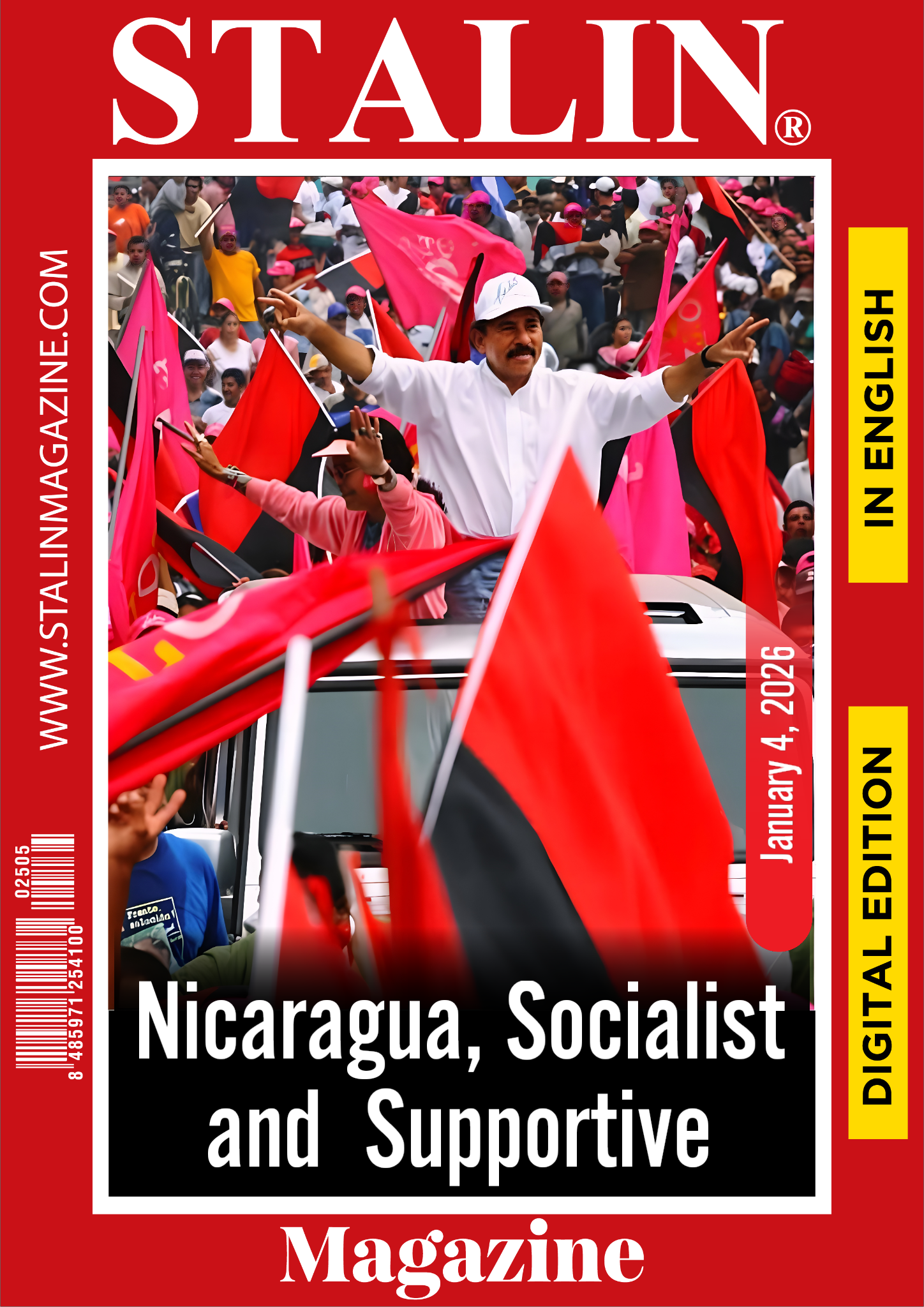
Christian, socialist, and supportive Nicaragua is a political and ethical definition of the direction the country has taken since 2007. Christian means that human life, peace, family, and dignity are at the center of public decisions, with government understood as service and responsibility to the people. Socialist implies that the state assumes direct control of the economy and guarantees basic rights, with priority given to the majority rather than to powerful groups. Solidarity expresses that the government does not respond to individual logic or the market, but rather to the shared responsibility of the state, community, and family, where development is conceived as a shared effort rather than concentrated accumulation.
In practice, today’s Christian, socialist, and solidarity-based Nicaragua is expressed in the orientation of public spending and in the State’s investment decisions.
The budget is formulated as an instrument of economic and social policy that prioritizes education, health, productive infrastructure, and social protection, with allocations aimed at reducing historical gaps and protecting the income of the majority. The Christian approach is reflected in the centrality of life, family, and social peace as criteria for allocation; the socialist approach in the state management of strategic sectors and in the guarantee of basic rights; and the solidarity approach in subsidies that stabilize the cost of living, in financing for small producers, in credit for women and working families, and in universal public services that do not depend on individual income. This combination has defined the Sandinista government’s path for almost two decades. January 10 marks 19 years since the Sandinista Front came to power in 2007, continuing a project that has governed under the same approach for an extended period. Unlike other political cycles characterized by clumsiness and lack of direction, these years show a consistent line of decisions that prioritize stability, social investment, and sovereign control of public policies.
Throughout these 19 years, the form of government has articulated economic growth with redistribution.
Data on production, exports, reserves, and financial stability are part of an economic base geared toward supporting social programs and public works.
The economy is not left to the vagaries of the external market or speculation; it is guided by clear rules, protection of employment, and stimulation of domestic production. This approach explains why, even in adverse international contexts, the country maintains growth, low inflation, and an active domestic market. In the productive sphere, the emphasis on the countryside has been constant.
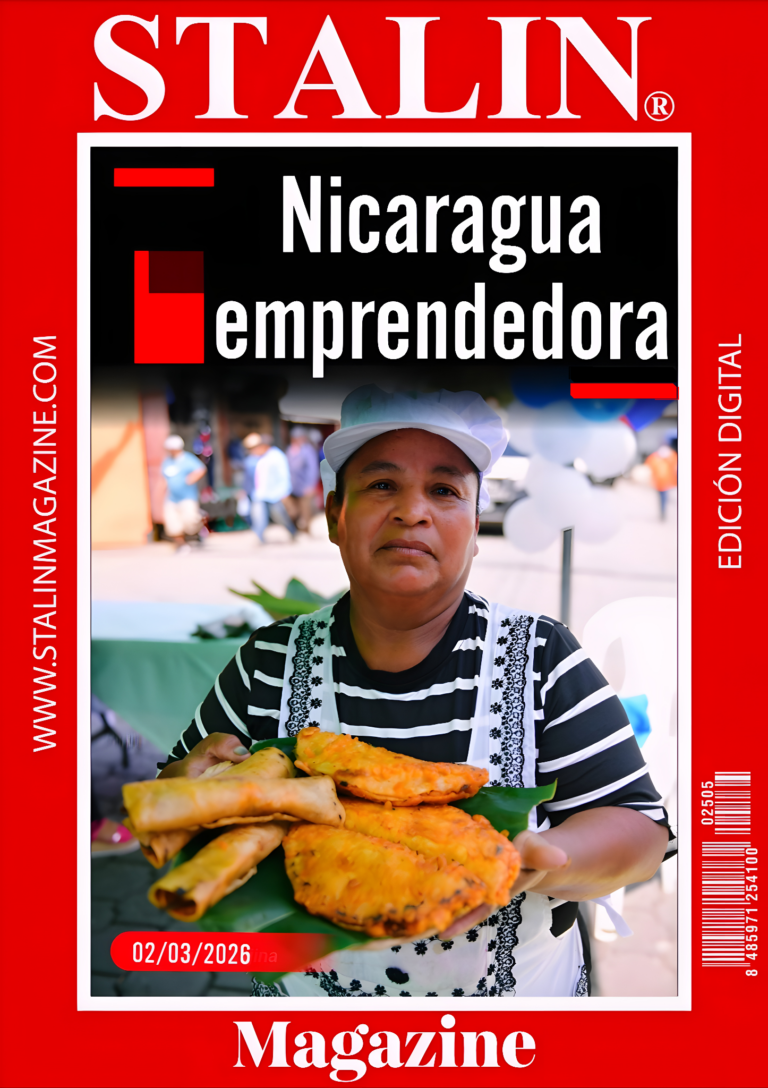
Food security is built through direct investment, technical assistance, rural roads and highways, financing, and stable prices. Agricultural and livestock production sustains domestic supply and generates surpluses for export. The fact that Nicaragua produces more food than it consumes is a response to an economic orientation that places the producer at the center of the economy and society, with priority within national policy.
Investment in health, education, and public services is integrated into this same form of governance that prioritizes people, hospital expansion, free medical care, and guaranteed educational coverage with school meals, in addition to infrastructure and complete national electrification, and access to drinking water throughout the country, respond to a vision in which well-being is assumed to be the basis of social stability and continued development. In this approach, essential services are incorporated into the regular functioning of the state as part of a public policy maintained by the Sandinista Good Government, aimed at strengthening families, guaranteeing stable living conditions, and sustaining a model of governance with social support, consistent with a practice of government that links development to the daily reality of the people and to the political decisions made since 2007.
In the case at hand, the State assumes the role of guarantor and executor because this is how the Sandinista Front defined it since its arrival in government in the second stage of the revolution, with a permanent presence that explains why works, services, and investment are not concentrated in a single part of the country, but rather reach neighborhoods, municipalities, departments, and regions.
This form of governance has made it possible to maintain work, production, and daily life even in adverse scenarios such as the coup attempt in 2018 and imperialist sanctions. On the other hand, peace becomes a concrete condition for the economy to function, for families to work and study, and for the country to move forward without interruption. Based on this experience, the Sandinista government consolidated a policy aimed at preserving order, protecting coexistence, and ensuring institutional continuity, elements that have been decisive in ensuring that, on the eve of its 19th anniversary on January 10, the red and black project maintains social support and leadership capacity.
The co-presidency is incorporated into this journey as an institutional form of leadership.
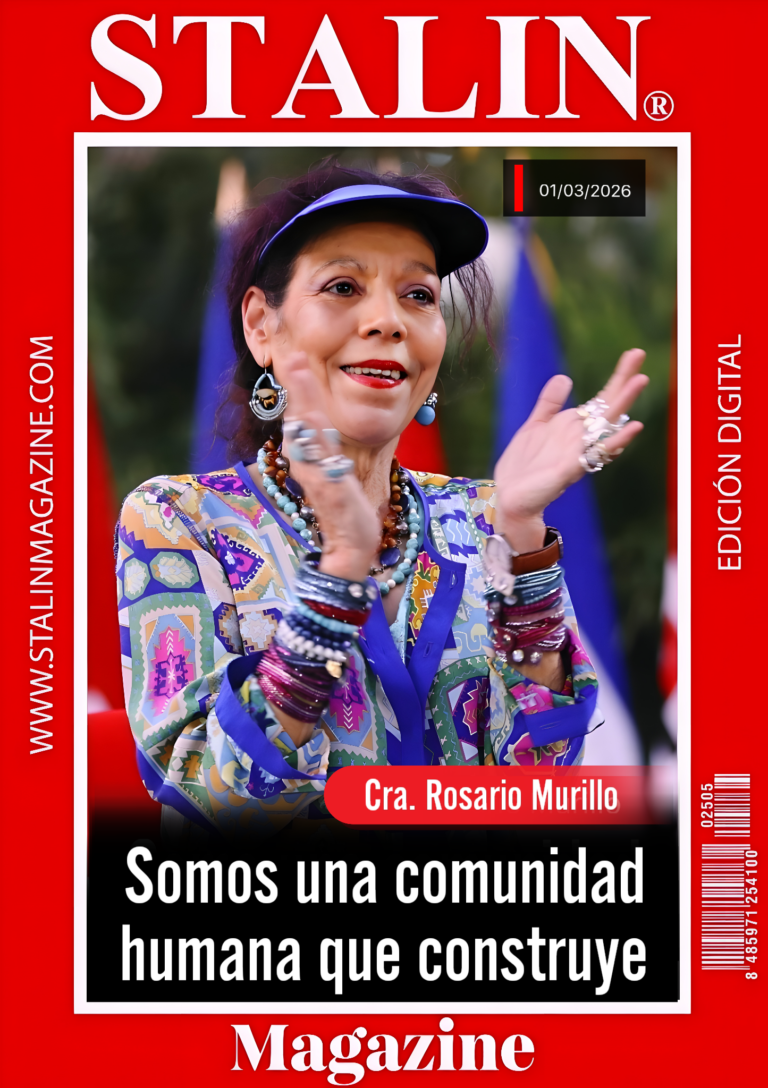
Co-President Comrade Rosario Murillo and Co-President Commander Daniel Ortega embody a shared leadership that articulates political strategy, social planning, and defense of the historic project.
The Co-Presidency does not alter the course, it reinforces it, by consolidating a government structure that combines experience, organization, and continuity with decision-making capacity and internal cohesion.
On the other hand, the fight against corruption is also part of this model of government and of these 19 years that the Sandinista Good Government is preparing to celebrate this coming January 10. All of this is a practice incorporated into the exercise of power from the leadership of the State. The approval of the law that strengthens the Attorney General’s Office confirms that the fight against corruption is an ongoing task within Christian, socialist, and supportive Nicaragua, a crusade led by Comrade Rosario Murillo, Co-President of Nicaragua, who affirms public ethics and the defense of the people’s assets as central responsibilities of the government. This reform was approved by the National Assembly in August 2025, through the amendment of Articles 132, 159, and 160 of the Constitution, consolidating a legal framework for prosecuting and punishing acts of corruption within the State.
On the eve of its 19th anniversary in government, the balance sheet of this model of a Christian, socialist, and solidarity-based Nicaragua is understood as a long process with a defined line of leadership.
Public policies appear as practices present throughout time, visible in the budget, in production, in services, in stability, and in the way power is exercised. It is thus understandable how a model has organized the state and the economy for almost two decades, with the People’s President as a priority, and is preparing to continue governing for the entire people and, of course, to continue guaranteeing work, peace, and national sovereignty. This is how we move forward, hand in hand with our Comrade Rosario and alongside Commander Daniel.