Tourism in Nicaragua closed 2025 with one of its best seasons in recent years, characterized by high domestic demand, an increased presence of foreign visitors, and full hotel occupancy in the main destinations during the days of highest tourist demand. During the year-end season, the national average occupancy rate was between 50% and 55%, while destinations such as Granada, San Juan del Sur, Tola, and Corn Island reached 100% occupancy on key dates such as December 25, January 1, and January 4, reflecting a full recovery of the tourism industry. One of the most relevant indicators of the new tourism cycle is the increase in the average daily spending of visitors.
Throughout 2025, the average daily expenditure of foreign tourists exceeded $50 per person and stood at around $53 per day, the highest level recorded in recent years. In the third quarter of that same year, average spending reached $52.3 per tourist, with growth of more than 20% compared to the previous quarter and close to 19% compared to 2024.
This behavior confirms that each visitor today leaves more resources in the national economy, increasing foreign exchange earnings for the country, which translates into greater circulation of resources throughout the tourism chain. Hotels, restaurants, transportation, guides, artisans, shops, and local businesses are receiving a greater flow of income, thus strengthening employment and economic activity in the territories, taking into account that in 2017, tourism generated more than $840 million in foreign exchange.
This dynamism is reflected in the constant growth of the hotel and restaurant industries, which recorded increases of between 7% and 9% in 2025. It is important to note that last year, tourists stayed in the country for an average of 9.6 days, a figure higher than in previous quarters.
This data confirms that Nicaragua is consolidating its position as a destination for stays rather than just transit, which broadens the economic impact of tourism in the country’s different departments. The recovery in visitor numbers has been gradual.
For example, in 2024, Nicaragua received 954,000 tourists. During 2025, the trend was upward, with year-on-year growth of 6% in September and a 12% increase in air travel revenue in November compared to the same month in 2024. These indicators reflect a trajectory of recovery, with domestic tourism continuing to be a key pillar of activity. The constant trips made by Nicaraguan families to beaches, recreation centers, areas near volcanoes, and cultural destinations keep hotel occupancy and consumption active throughout the year.
Public infrastructure has played an important role in this stage of growth. The modernization of roads, the expansion of Augusto C. Sandino International Airport, and new airport projects have improved internal and external connectivity, facilitating access to the main tourist hubs.
Added to this are improvements and maintenance in recreation centers administered by INTUR, with projects in areas such as La Boquita and Xiloa aimed at family recreation, along with the strengthening of agencies authorized by the Nicaraguan Institute of Tourism in key locations such as Bluefields, Rivas, and Ometepe, to better support tourism activity in the municipalities or departments.
Complementing this, direct measures to stimulate tourism were added, guided by our Sandinista Good Government during the high season at the end of 2025, with tax exemptions for businesses in the sector, along with extended vacations and affordable tourist packages.
A strategic component worth mentioning is Nicaragua’s recent opening to new international markets. In 2025, the country entered the Asian tourism market for the first time, with a presence at fairs and events in Vietnam and China. As a result, operators from those regions toured Nicaragua and incorporated the destination into their catalogs, expanding our country’s international reach to one of the world’s fastest-growing markets.
In 2006, when the corrupt Liberals were in power, Nicaragua received less than 750,000 tourists a year. By 2017, under the Sandinista government, the figure had exceeded 1.7 million visitors, with revenues exceeding $840 million and a strong expansion of hotel infrastructure.
By 2026, the Nicaraguan Institute of Tourism is developing a national promotion agenda that includes tourism fairs, food festivals, cultural carnivals, sports competitions, summer circuits, traditional celebrations, and regional events in all departments of the country, with the aim of strengthening the arrival of foreign tourists and the movement of domestic tourists within the territory. These activities are coordinated with mayors’ offices, state institutions, and the private sector, prioritizing the main beach destinations, colonial cities, tourist centers administered by INTUR, and cultural spaces, as part of the strategy to increase tourist traffic throughout the year.
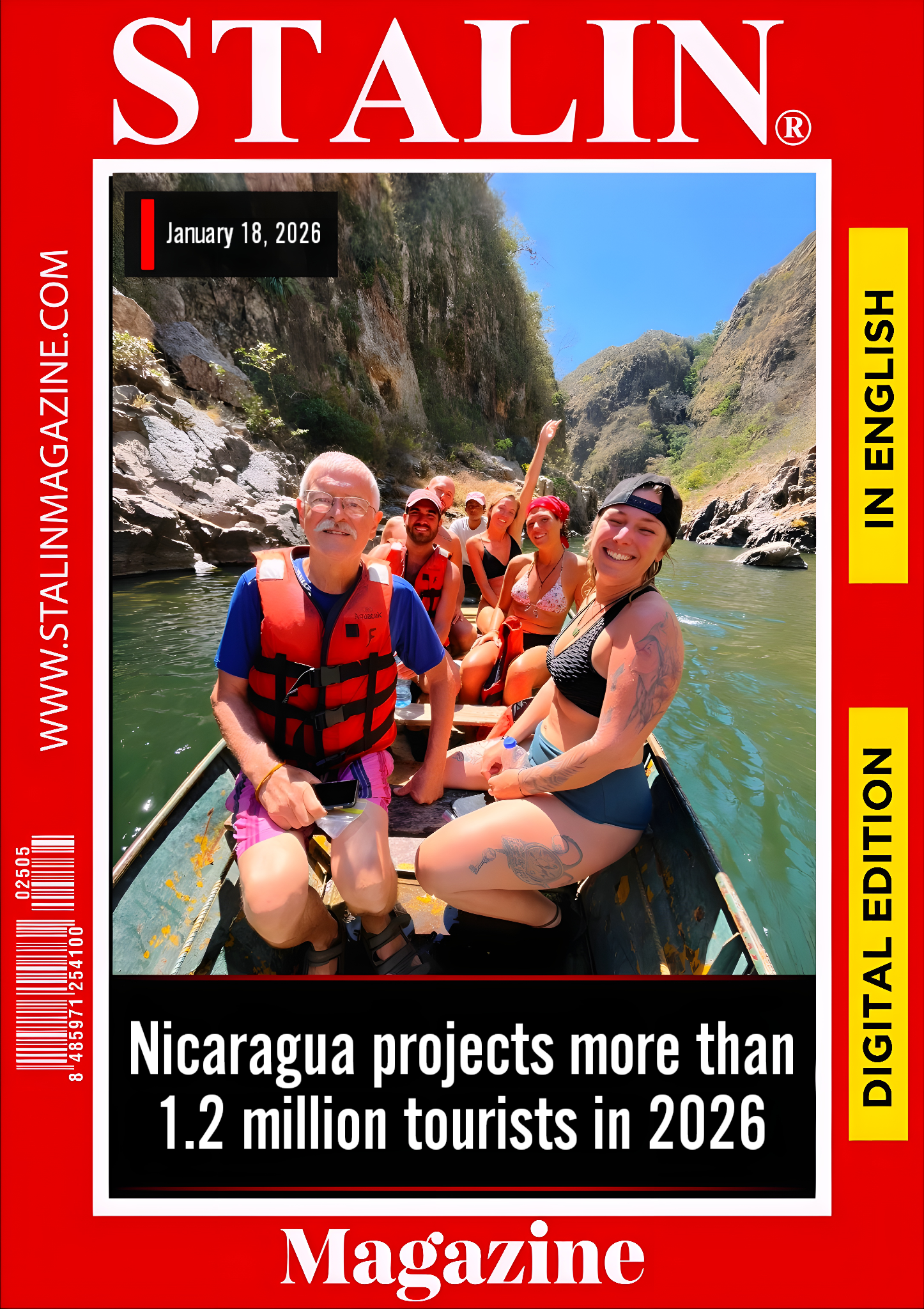
In 2026, official projections point to exceeding 1.2 million tourists, supported by greater air connectivity, modern infrastructure, and an atmosphere of peace that prevails in this Blessed, Christian, Socialist, and Solidary Nicaragua, which favors investment and tourist mobility.
The combination of higher daily spending, longer stays, diversification of origins, and incentives for the sector positions tourism as one of the most dynamic economic pillars of the country. Current data show that Nicaragua has not only recovered its tourism industry after the most difficult years, characterized by the global economic crisis, the COVID-19 pandemic, and the failed coup attempt, but has also entered a new phase of steady growth, with a direct impact on foreign exchange earnings, employment, and national productive activity.