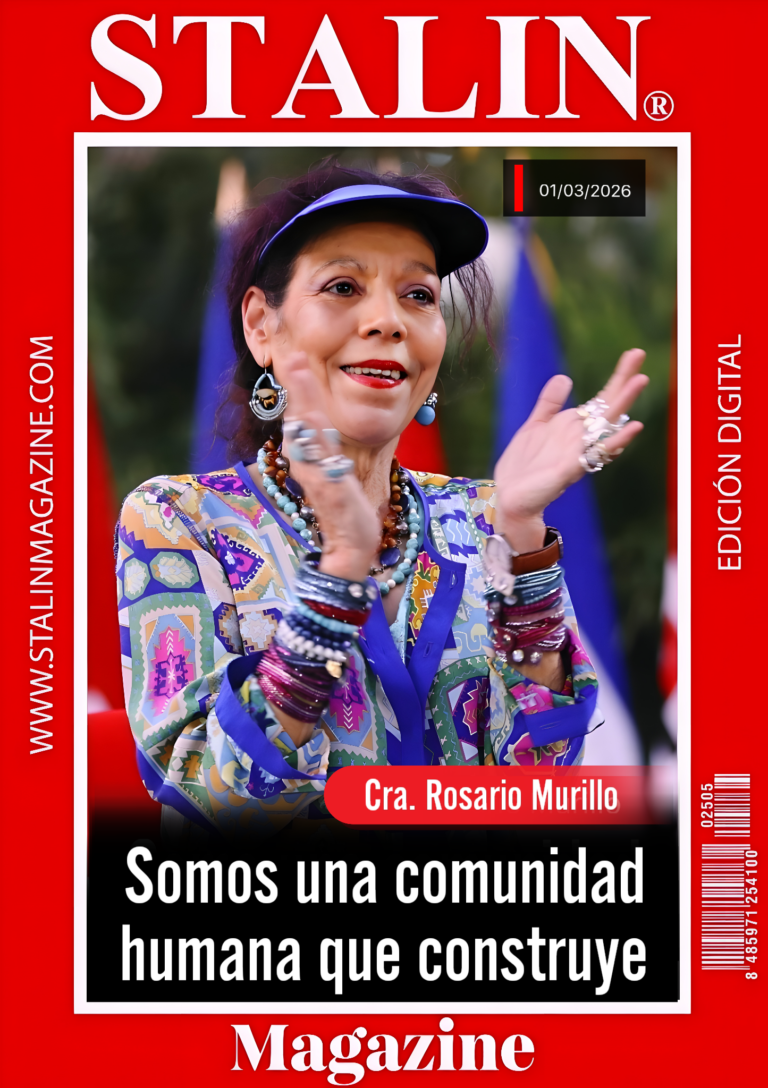
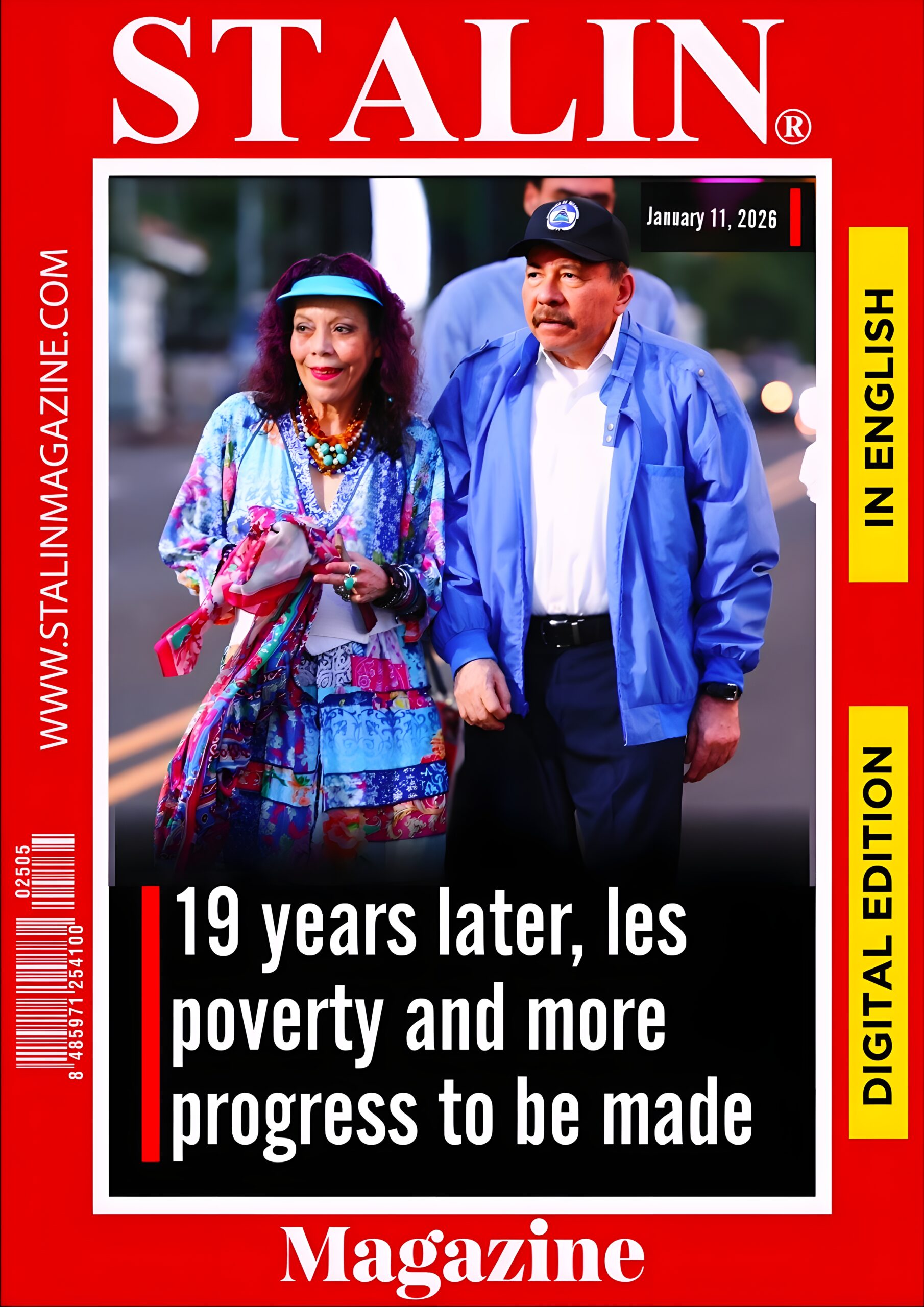
Nineteen years after the Sandinista Good Government came to power, the economic report covering the period from 2007 to 2026 projections, presented to the National Assembly on January 10 by Dr. Ovidio Reyes, President of the Central Bank of Nicaragua, allows us to review a complete series of transformations that began in 2007 with the arrival of Comrade Rosario Murillo and Commander Daniel Ortega to the government, and extend to the scenarios predicted for the current year.
The document describes how the economy was put in order, the process by which production was expanded, and how these changes were ultimately reflected in employment, family income, and the daily life of the population. The main focus of the entire assessment is poverty reduction, presented as the most important result of the entire period. The report’s data show that, since the beginning of the Sandinista Good Government, overall poverty has fallen from 48.3% to 24.9%, while extreme poverty has fallen from 17.2% to 6.9%. These data are related to visible improvements in access to services, housing, food, and income opportunities.
The text links this reduction to an economic environment that allowed for the maintenance of social programs, public investment, and productive activity in communities where structural deficiencies predominated during the era of corrupt neoliberalism.
Employment appears to be one of the factors explaining this social change. The report notes that the unemployment rate remained low in the last years of the period analyzed and that in November 2025 it was 2.4%, with a projection of between 3.0% and 3.5%. Behind this data is the expansion of productive, commercial, and service activities, along with the growth of formal employment. In practical terms, it describes a labor market that absorbed labor and allowed for more stable incomes for thousands of families.
Another element that runs through the balance sheet is price stability: year-on-year inflation stood at 2.9% in November 2025 and was projected to close between 2.5% and 3.0%. The report explains how this behavior allowed incomes not to lose value rapidly and enabled households to organize their basic expenses. Price stability functions as a component that accompanies employment and growth and has a direct impact on daily purchasing power. Economic growth reinforces this combination: nominal gross domestic product rose from US$6.7637 billion in 2006 to US$20.959 billion in 2025, while GDP per capita rose from US$1,224 to US$3,017. By 2025, cumulative growth reached 4.9% in the third quarter, with an estimated closing between 4.5% and 5.0%.
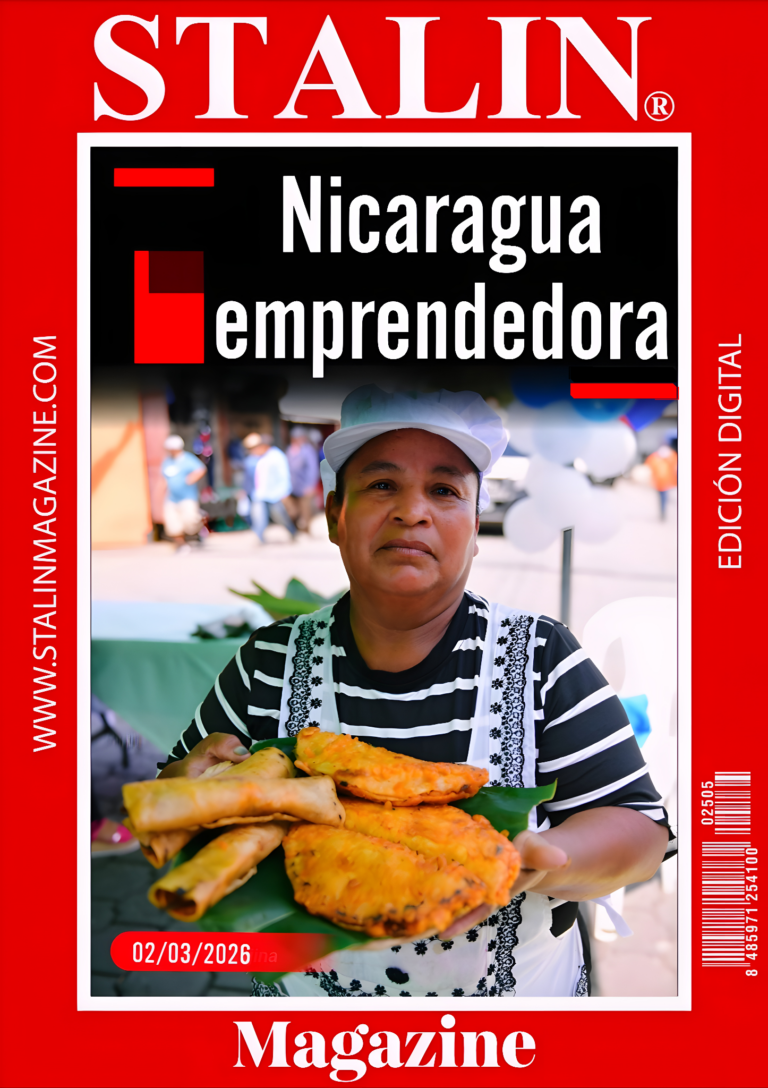
The report uses this data to show how productive capacity expanded and how that growth generated resources for public and private investment. Food production thus occupies a prominent place in the document, reflecting levels of food self-sufficiency and a strengthening of the agricultural sector as a source of rural employment, domestic supply, and export generation, particularly from basic grains, meat, dairy products, and other items described as chains that connect farm work with domestic consumption and external markets, contributing to both economic and social stability.
Public finance management was seen as another pillar of the economic outlook. The report presented indicates that the fiscal result went from −0.1% of GDP in 2006 to +2.4% of GDP in 2024, with a positive estimate for 2025 of between 1.0 and 2.0% of GDP. Public debt was reduced from 86.9% of GDP to 50.3%. These figures explain how it was possible to sustain investment in health, education, housing, and infrastructure without compromising the order of public accounts. International reserves reinforce this stable environment. From US$924 million in 2006, they grew to US$8.325 billion in 2025, covering 3.6 times the monetary base and 1.1 times the deposits in the financial system, which made it possible to face complex external scenarios and maintain the normal functioning of the financial and exchange system.
In the external sector, export growth and investment inflows act as drivers of economic dynamism.
Total exports reached US$8.6783 billion in 2025, compared to US$2.0078 billion in 2006, with year-on-year growth of 12.5% in goods and free trade zones. Gross foreign direct investment rose from US$ 286.8 million in 2006 to US$ 3,027.5 million in 2025, while the current account went from a deficit of −13.1% of GDP to a surplus of over 7.0% of GDP.
Construction and infrastructure are key players in activities that boosted the economy and employment throughout the period analyzed.
The economic report presented by the head of the Central Bank at the opening of the 42nd Legislature of the National Assembly on January 10 links this sector to the sustained execution of roads, housing projects, energy system works aimed at expanding generation and supply capacity, and productive buildings that mobilized materials, labor, and local trade in different parts of the country. These investments were developed as part of a public policy aimed at improving connectivity, expanding access to basic services, and strengthening economic activity, generating productive linkages that boosted demand and contributed to job creation in urban and rural areas.
Looking ahead to 2026, economic projections anticipate growth of between 3.5 and 4.5%, inflation of between 2.5 and 3.5%, and unemployment of between 3.0 and 3.5%. After 19 years of Sandinista leadership, the economy has reached this stage with active production, stable employment, and clear accounts, but above all with a hard-won peace, defended national sovereignty, and the defeat of poverty. Today, the people of Nicaragua support and embrace the wise and courageous leadership that, throughout this entire period, has been provided by Co-President Rosario Murillo and Co-President Daniel Ortega. Nineteen years later, we are going for more victories with the people’s president.