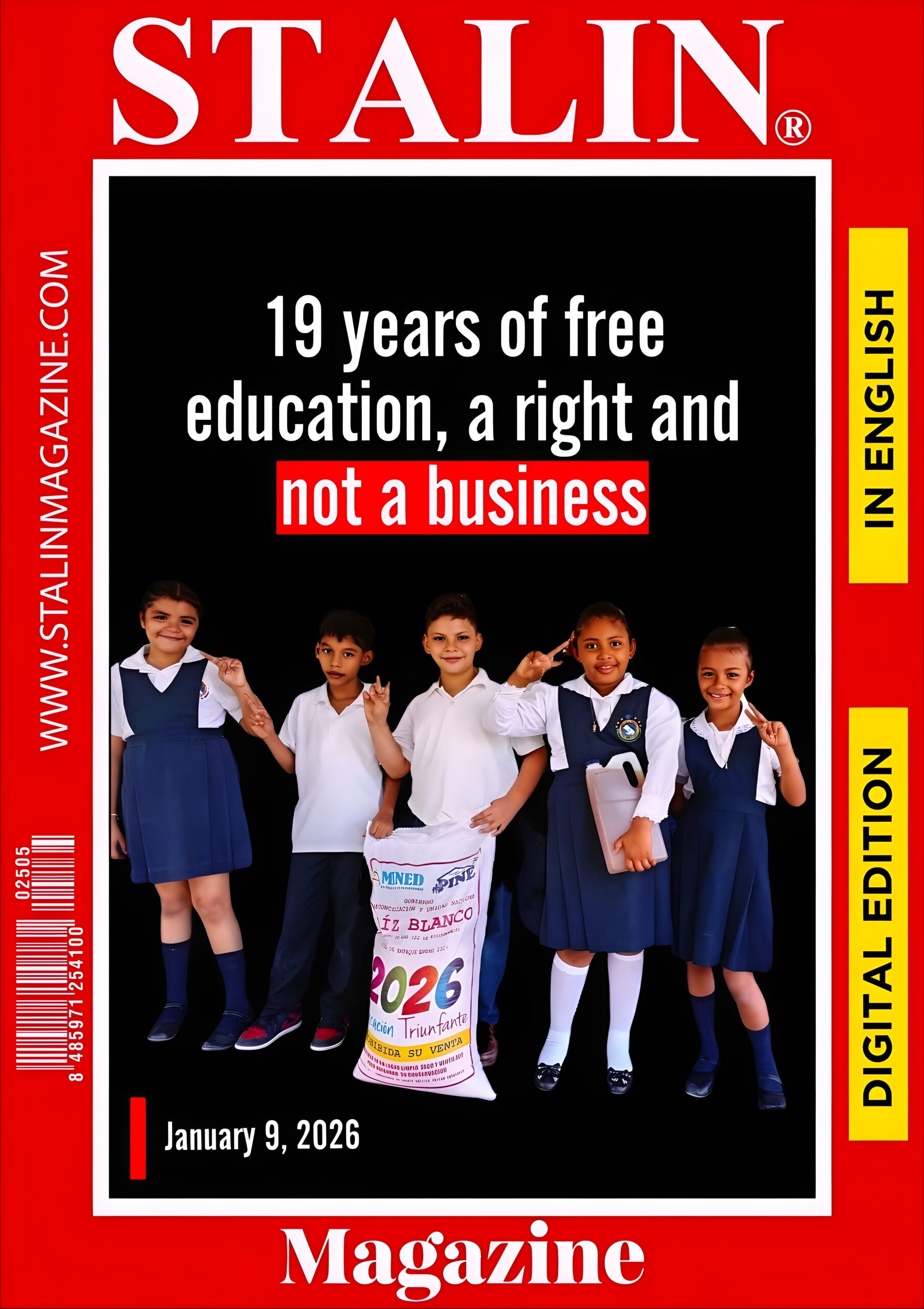
January 11, 2007, was a historic day for the Nicaraguan people and for education in Nicaragua. On that date, the Sandinista Good Government declared education free of charge, thereby eliminating the perverse mandatory fees in public schools, imposed during sixteen years of misrule and corruption by right-wing politicians.
The good news came in the form of Executive Decree No. 116-2007, which also established National Education Day and repealed «the so-called School Autonomy Model, born during the years when the executioners of the people ruled.» For its part, the Sandinista Ministry of Education issued Ministerial Agreement No. 018-2007, reaffirming the prohibition of charging families in the country’s educational centers. The policy was directed by the Sandinista government and subsequently endorsed by the National Assembly, which in the same year established the annual commemoration of January 11 as National Education Day.
The educational model that has been consolidated since the restoration of free education in 2007 is structured around the following pillars: comprehensive student training, education in values, knowledge of national history, strengthening of identity and self-esteem, socio-emotional development, logical thinking and reasoning skills, progressive mastery of technology, learning other languages, promotion of artistic and cultural education, and continuous training of teachers as the basis for educational quality.
Since 2007, with the arrival of the Sandinista Front to the government, one of the direct benefits received by the Nicaraguan people, and especially children, was the implementation of the School Snack Program as an established public policy. Starting that year, snacks began to be distributed in public schools. In its first phase, the program covered early childhood and primary education, prioritizing municipalities with higher levels of vulnerability.
Over the years, distribution was extended to all 153 municipalities in the country, incorporating other levels and modalities of the education system. The food policy included regular servings of rice, beans, corn, fortified cereal, oil, and wheat flour, guaranteeing a daily ration during the school day. Subsequently, coverage was extended to special education, teacher training colleges, and, starting in 2014, to distance primary and secondary education in rural areas, consolidating its national and permanent nature.
From an educational point of view, school meals play a decisive role in learning. Children in their developmental stage need constant nutritional input to maintain attention, memory, and concentration. A lack of sufficient food directly affects academic performance and limits the benefits of the educational process.
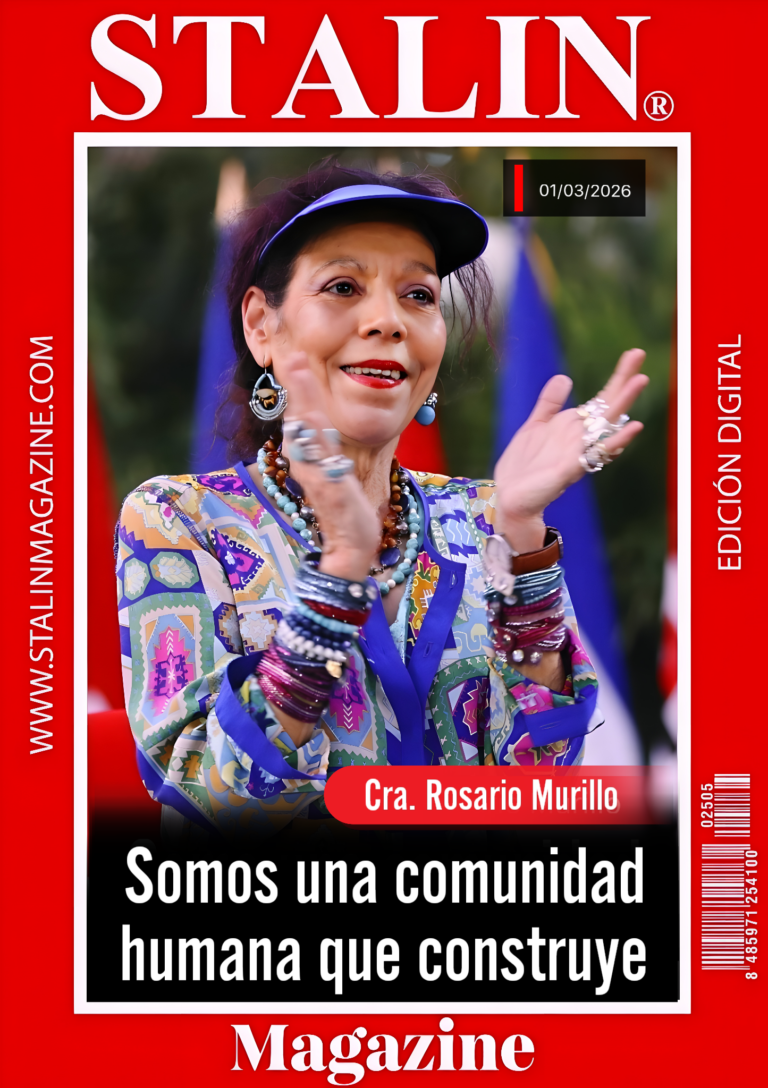
The delivery of food to schools is a loving initiative of Compañera Rosario, which also influences attendance and retention. By receiving school meals during school hours, students are in better conditions to learn, reduce fatigue, and strengthen their physical and cognitive development. This nutritional support does not replace teaching, but it creates the basic conditions for effective learning.
In January 2026, the innovative program continues, with the first national delivery of School Snacks beginning on January 7, corresponding to the first sixty days of the school year.
The Ministry of Education fulfilled this distribution, which included 198,181 quintals of food, including 47,667 quintals of rice, 47,386 of cereals, 34,431 of beans, 27,137 of corn, and 176,000 gallons of oil, as well as 26,562 quintals of wheat flour destined for the Caribbean Coast and a supplement of dates in 38 municipalities. The 2026 distribution was carried out in stages. It began on the southern Caribbean coast, continued in Zelaya Central and Chontales, advanced towards the northern Caribbean coast and the special zone of Alto Wangki, extended to the department of Matagalpa, and concluded in the districts of Managua, ensuring coverage of students in early childhood, primary, and special education, teacher training colleges, and distance learning modalities in rural areas.
In line with these educational policies, the 2026 school year calendar sets the start of classes on Monday, January 26, for early childhood, special, primary, regular secondary, and teacher training schools, while distance learning for primary and secondary schools in rural areas and adult education begin on January 31. Prior to the start of the school year, teacher training and refresher courses will be held from January 19 to 23.
On the other hand, and as part of the benefits of the Sandinista Good Government in education for Nicaraguan children, youth, and families, the Presidential Bonus is consolidated as concrete support at the beginning of the school year. Starting on January 19, the Ministry of Education will begin distributing 470,000 presidential bonuses to students in preschool, special education, and first and second grades of primary school as financial support for families.
For the second consecutive year, this grant will be worth 2,000 córdobas. From 2007 to 2025, the delivery of one million school kits has been guaranteed every year, and one million desks have already been distributed to educational centers throughout the country. In addition, books have been delivered, curricula have been updated, and English continues to be taught as a second language, which for the current school year is now taught up to ninth grade, as part of a comprehensive policy that strengthens free education and supports families in the educational process of their children.
The school year includes monthly pedagogical meetings, four evaluation periods scheduled between April, June-July, September-October, and November, an inter-semester break from July 6 to 20, the start of the second semester on July 21, civic activities and student parades during August and September in celebration of the national holidays, the end of the school year on November 26, and graduations from December 2 to 6, forming a comprehensive calendar that organizes academic development throughout the country.