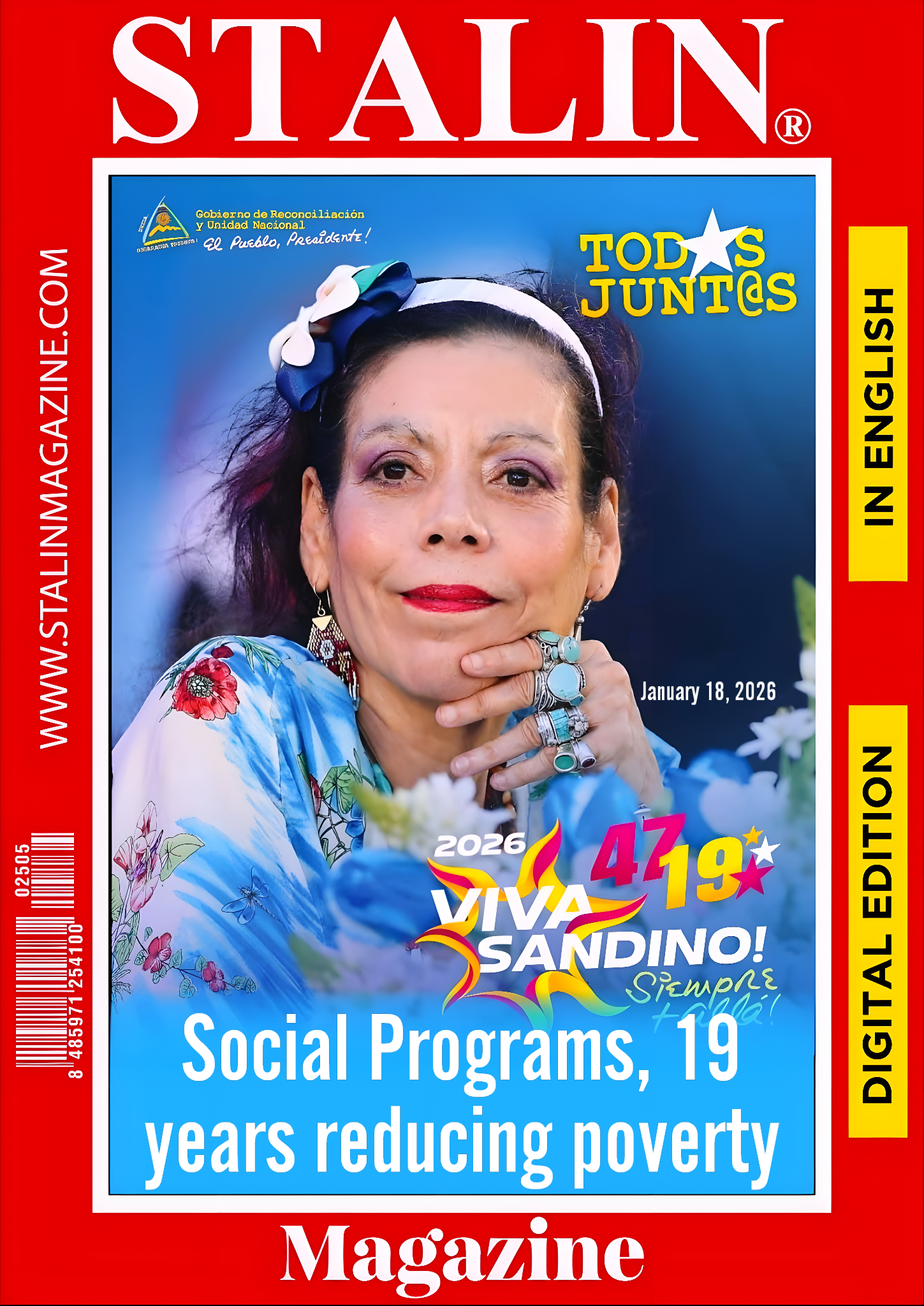
Social programs are the most human face of the Government of Reconciliation and National Unity, the place where it comes face to face with the daily lives of families, with their needs, their urgent problems, and their hopes. This is where its human character is expressed, its understanding of the pain of others and its way of governing with the people in mind, rather than seeing them as statistics. That is why social programs are the backbone and reaffirm why the Sandinista Good Government defines itself as socialist and supportive.
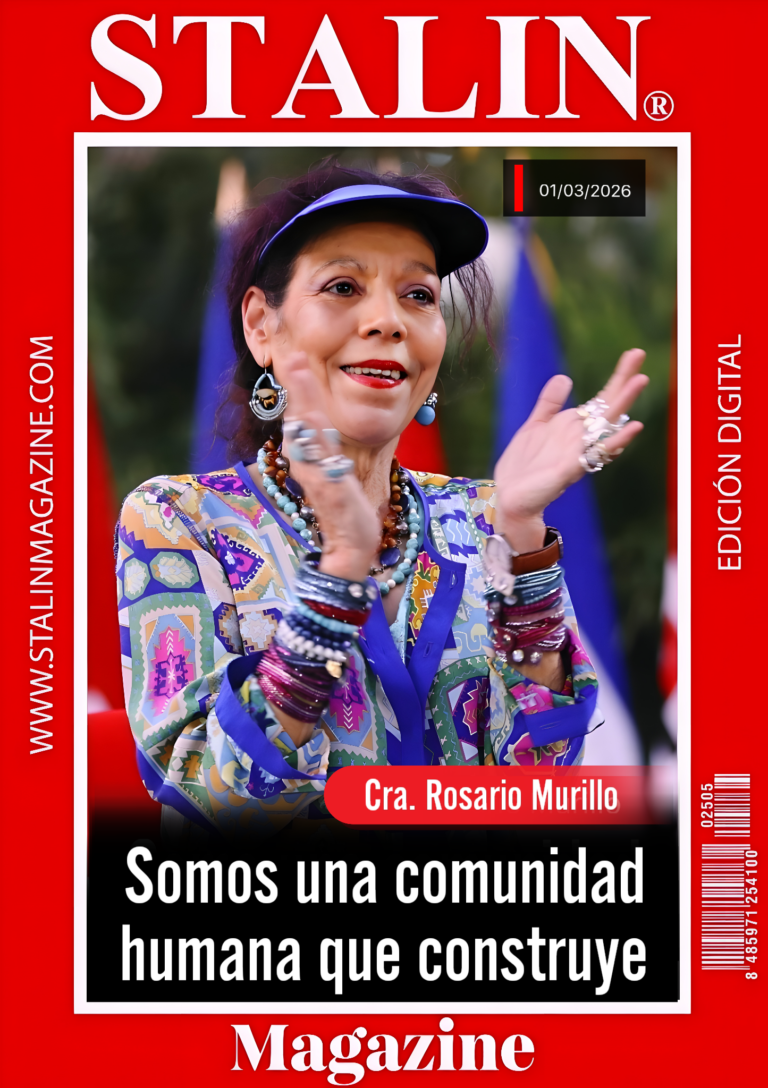
In one of her speeches, broadcast LIVE through the Citizen Power media, Comrade Rosario Murillo paused in her daily report on the good news and the progress and development work being carried out by the Sandinista government to focus specifically on social programs, and with immense humanism she said: «We are talking about creating and generating more reports that will allow us to fully implement all our social, economic, and cultural programs, to better serve the people and families who are still in a situation of social emergency, whom we are already serving, but whom we must serve better. She added that the idea is to generate proposals for new social programs to serve individuals and families, the elderly, and people with chronic conditions who require these programs in order to live a dignified life.»
What Comrade Rosario proposed points precisely to that foundation: improving, deepening, and expanding social programs, but this is only possible when the state first recognizes the dignity of individuals and assumes the people as subjects of rights.
Therefore, below we mention some of the areas where this approach is manifested in practice.
In the area of children and adolescents, the State prioritizes comprehensive protection, guaranteeing identity, education, health, nutrition, and safe environments, with special attention to situations of risk, and affirms citizen security as a shared right through a preventive and community-based model that safeguards daily life, coexistence, and tranquility in neighborhoods and communities.
In the area of housing and legal security, the State considers access to decent housing as the basis for family well-being and is moving forward with public policies aimed at housing solutions, improving living conditions, and legalizing property, guaranteeing stability, roots, and protection of the assets of families and communities.
But not only that, because in the rights of women and older adults, the State guarantees equality, participation, and protection, recognizing the central role of women in economic, social, and community life, and ensuring that older adults receive dignified and preferential treatment, access to services, community participation, and comprehensive care as part of a social policy with a human focus.
In terms of social inclusion and respect for diversity, the State guarantees persons with disabilities full access to health, education, work, and social participation, promoting equal opportunities and priority care. It recognizes the territorial, cultural, and economic rights of indigenous peoples and Afro-descendants, respecting their ways of life and organization, and affirms work as a right and a social responsibility, ensuring decent wages, fair working conditions, equality between women and men, and comprehensive protection in the workplace.
I would also like to mention some of the many social programs, without having to detail their impact, because the people experience them, use them, and feel them every day in their daily lives.
Food security and family production programs such as Zero Hunger and productive vouchers in their various forms. Solidarity financing programs such as Zero Usury and other credit mechanisms for self-employment and the family economy. Housing and home improvement programs such as Plan Techo, Casas para el Pueblo, the Bismarck Martínez Program, and urban and rural housing projects.
As well as property titling programs that guarantee legal security for families. Education programs such as School Snacks, school kits, the Presidential Voucher, free education, secondary education in rural areas, technical and technological education, Municipal Trade Schools, and training through INATEC.
In terms of health, social programs guarantee free and accessible care for families through the public system, maternity homes, health fairs, mobile clinics, the My Hospital in My Community strategy, and the primary care network, ensuring prevention, medical follow-up, timely access to services, and comprehensive care, with an emphasis on women, children, older adults, and people with chronic conditions.
There are also programs to care for people with disabilities, such as Todos con Voz (Everyone Has a Voice). Programs to protect children, such as Mi Derecho a un Nombre (My Right to a Name), Amor para los Más Chiquitos (Love for the Little Ones), the eradication of child labor, and comprehensive care routes. Programs to care for older adults, mothers, people with chronic conditions, and vulnerable families. Programs for drinking water and sanitation, electrification, streets for the people, and basic services that directly impact daily life.
Programs for citizen security, risk prevention, disaster response, and community support. Programs for culture, sports, recreation, and the creative economy aimed at human and community development.
For 19 years, the social programs implemented since 2007 have contributed directly to poverty reduction in Nicaragua, as reflected in the report presented by the head of the Central Bank to Parliament on January 10, in commemoration of the 19th anniversary of the President and the Sandinista government.
At the beginning of that period, overall poverty affected 48.3% of the population. In the latest available figures, prior to 2026, that indicator fell to 24.9%, while extreme poverty fell from 17.2% to 6.9%, results associated with the ongoing implementation of social programs that reduce basic expenses and strengthen families’ income capacity.
The same report states that this social progress has been accompanied by economic growth. For 2026, which has already begun, growth of between 3.5% and 4.5% is projected, with inflation contained between 2.5% and 3.5% and an estimated unemployment rate of between 3.0% and 3.5%, conditions that allow for the maintenance and expansion of social program coverage and confirm their role in poverty reduction.